Is AI art art?
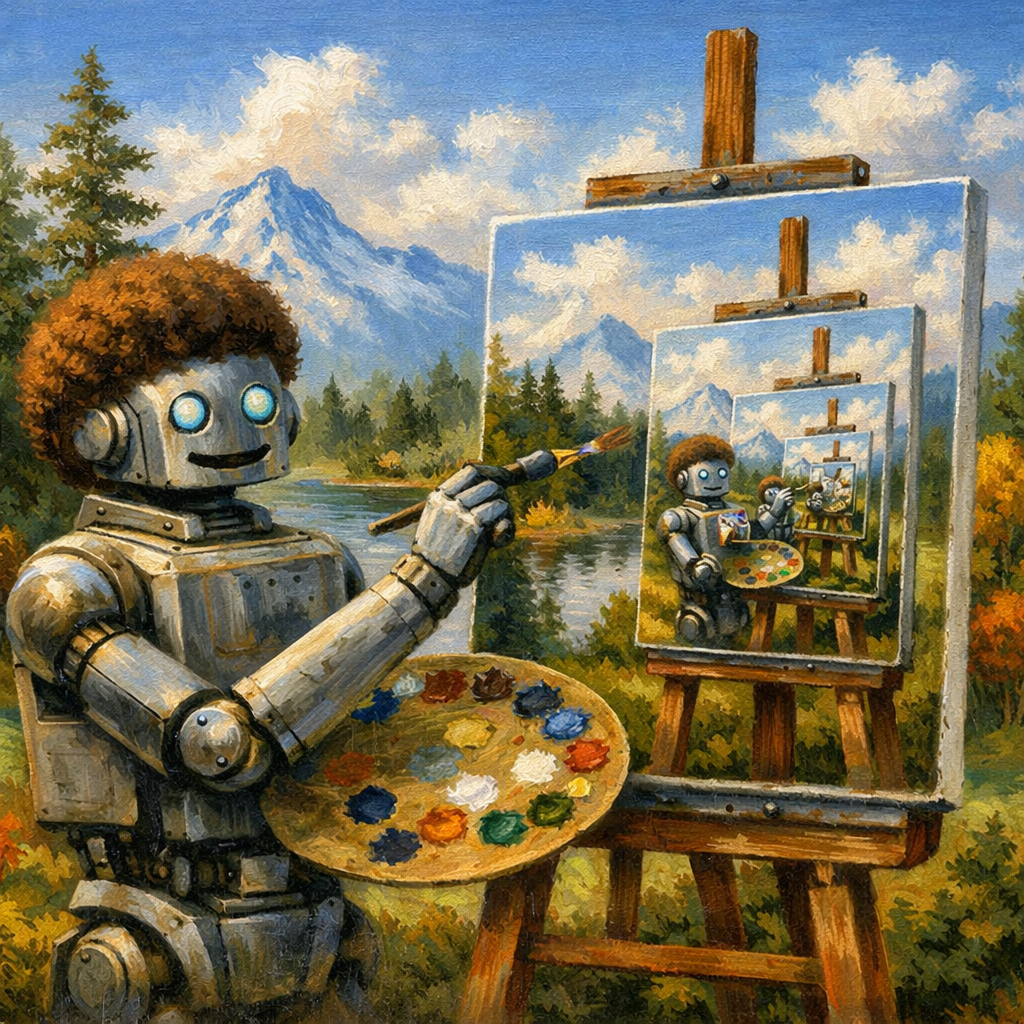
There's a highly debated idea around the concept of AI art - whether it's truly art or not. My stance on it is that: AI making images isn't art. Humans wielding AI tools to generate images CAN be art.
Definitions:
: skill acquired by experience, study, or observation
: the conscious use of skill and creative imagination especially in the production of aesthetic objects
If we follow these definitions, hand-picked for relevance from a larger list, the AI:
- Clearly did a lot of observations
- Can hardly be thought of having a conscious creative imagination process.
You could ask the AI to generate an aesthetic image, but its objective would be fulfilling your request for an aesthetic image, not the aesthetism itself.
On the other hand, the human:
- Can experience, study and observe what works and what doesn't to have the AI generate "nice-looking" images.
- Can conscientiously apply skill and creative imagination in manoeuvring the AI so it generates nice images.
I think a lot of people are (justifiably) angry at the scale of the theft of image data and ethics. If the world had been fair, these companies wouldn't have gotten away with it and "AI art" wouldn't exist.
But they did get away with it.
Let's look at it from a slightly different point of view: by some definitions, an "art" is a complex, nuanced and expert application of a skill. And a skill implies a "thing" that can be studied, explored, mastered. I'm telling you, there can be a lot of depth, nuance in AI art.
Consider these two images:
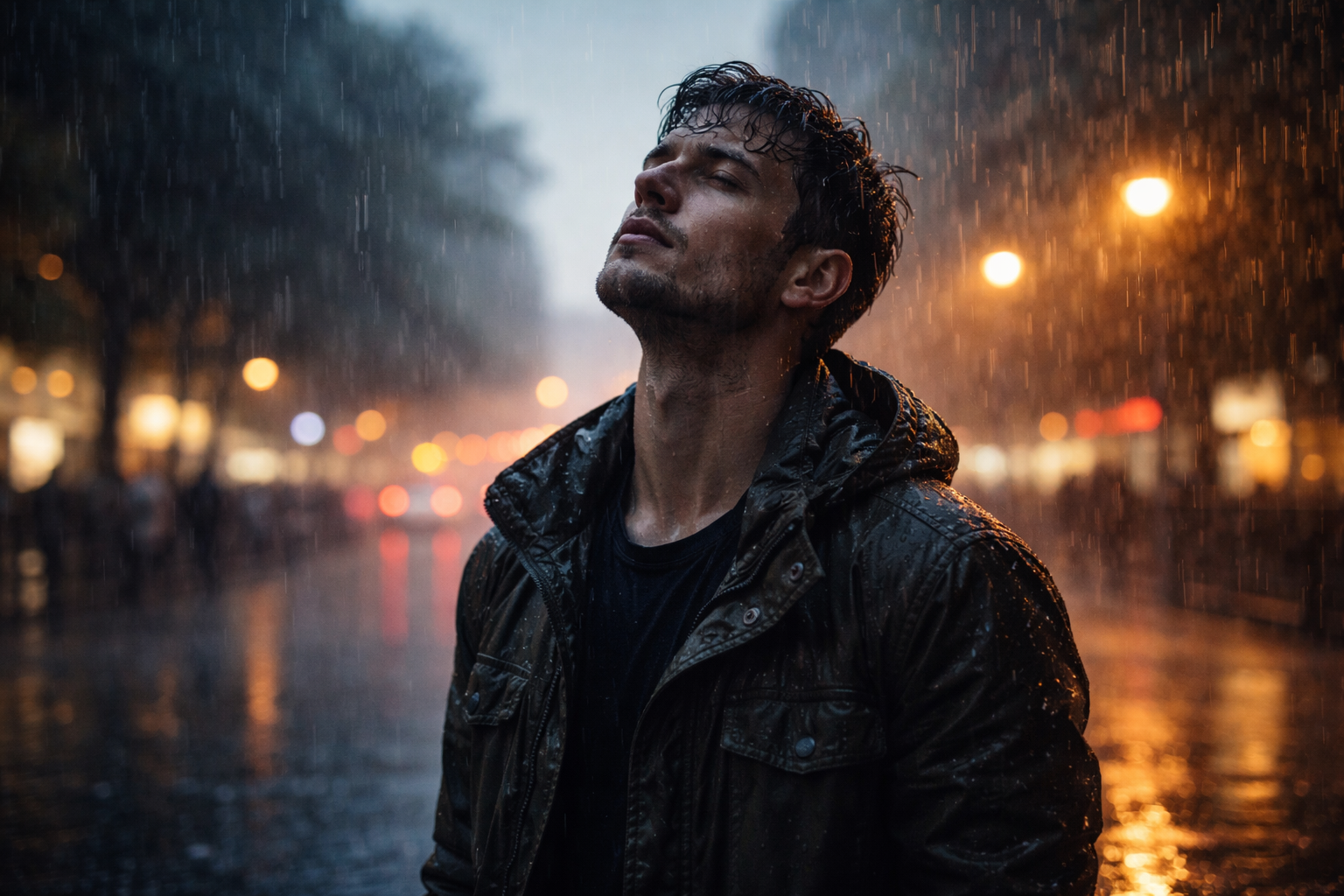
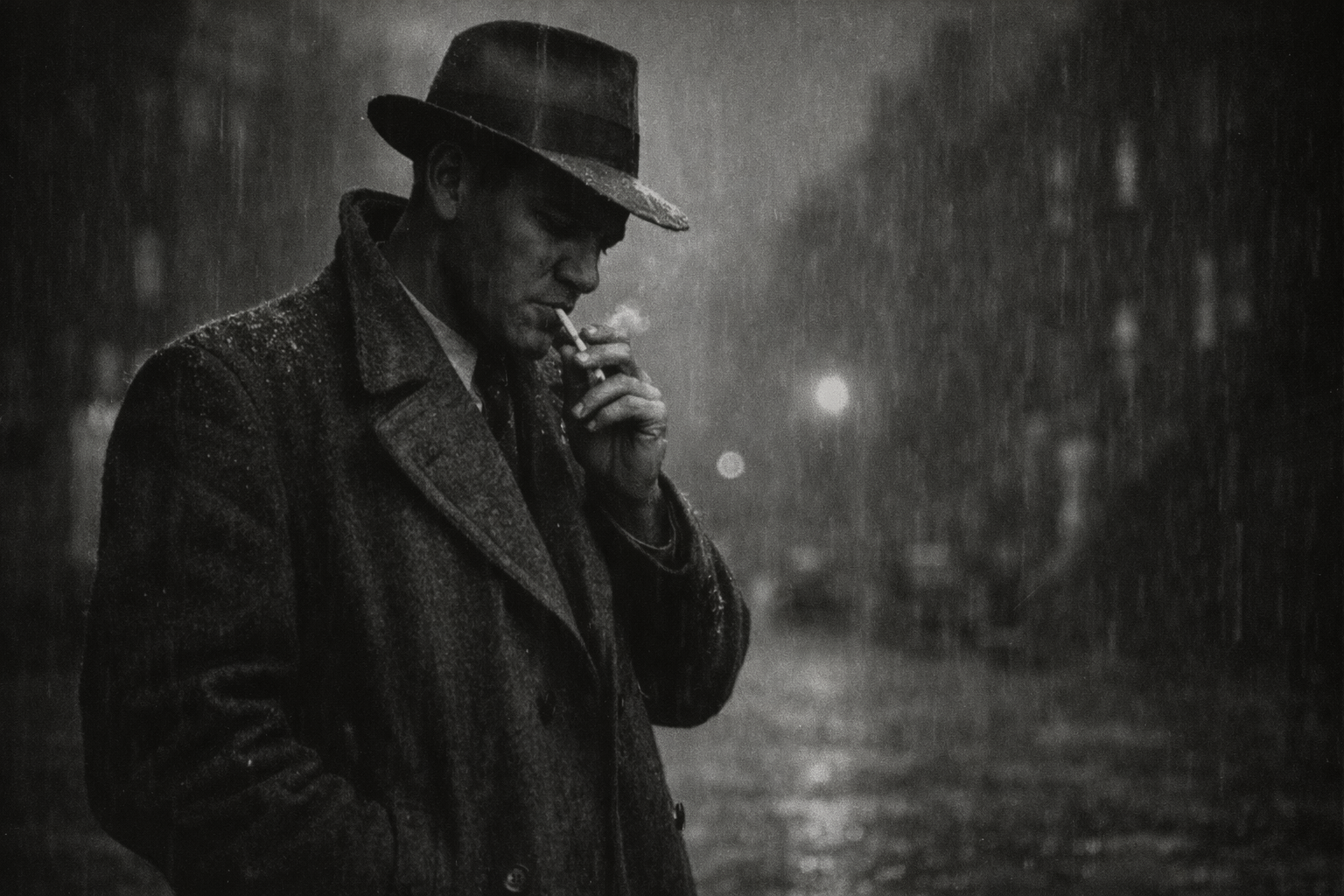
In a their own way, both images are good-looking. But the second one was steered, manoeuvred in a much more conscious way. It has info about specific techniques, composition, rendering. It adds a backstory to the character. As I was working on this image, the prompt would be followed in weird ways, certain details omitted. I refined the prompt a couple times and even sent reference pictures from the 40's to help steer the model in generating this one.
This feels like an artistic process to me.